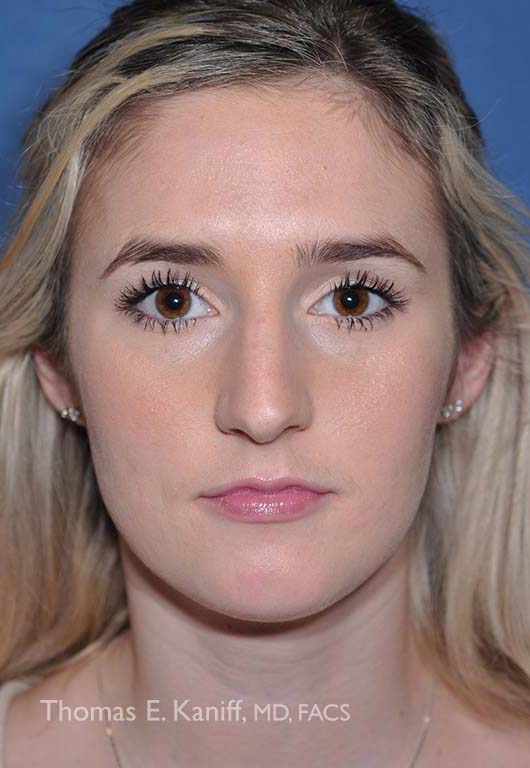
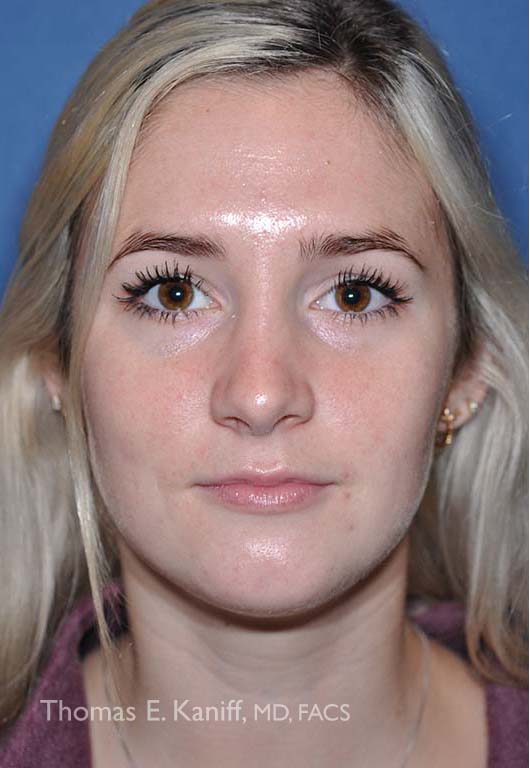
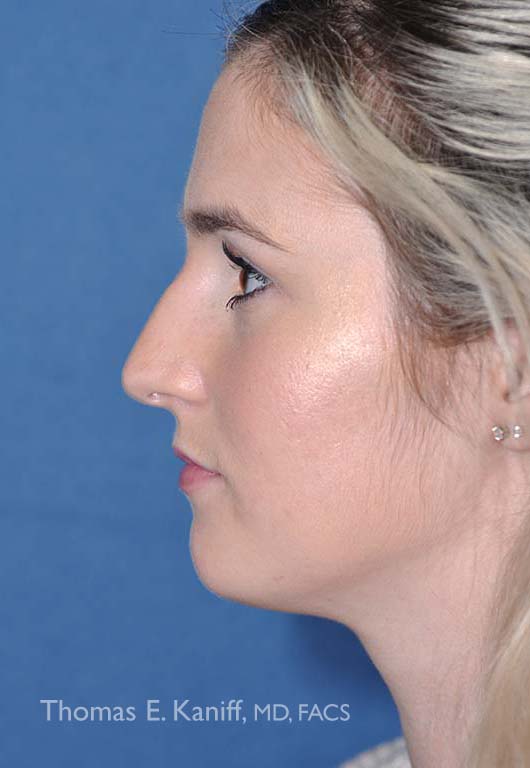
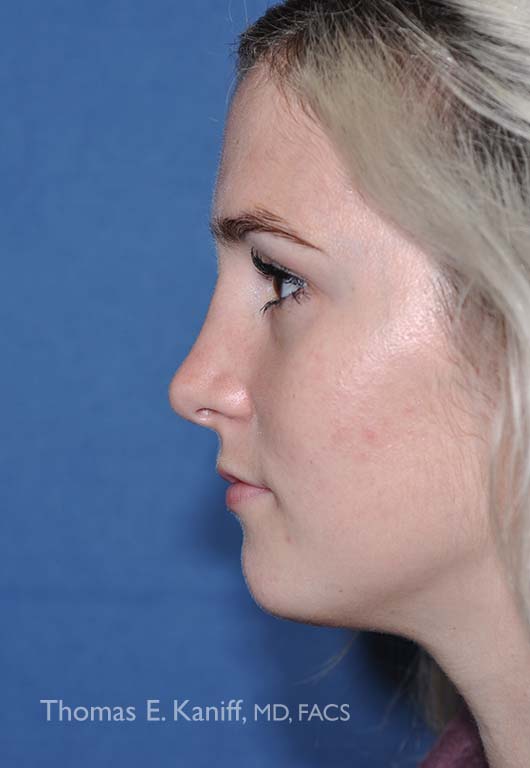
Dr. Thomas Kaniff MD FACS, of Facial Cosmetic Surgery Associates in Sacramento, CA, specializes in rhinoplasty. This transformative procedure is a precise art, requiring exceptional skill to reshape the nose and enhance facial harmony. Our custom approach ensures a refined, aesthetically pleasing outcome tailored to your individual needs.

View Our Results

What Is a Rhinoplasty?

Rhinoplasty, also known as a nose job, is a procedure that aims to alter the nose’s shape, size, or proportions to improve facial harmony and, in some cases, breathing function. This complex process involves sculpting the bone and cartilage of the nose to achieve a desired shape and size that aligns with the patient’s facial features and personal preferences.


A Closer Look at the Anatomy of Your Nose

Component
Description
Surgical Relevance
Bone
Forms the upper portion of your nose and shapes the nasal bridge.
Can be reshaped or adjusted to smooth out bumps, correct asymmetry, or refine the overall contour.
Cartilage
Supports the lower part of your nose, determining the shape and projection of the nasal tip and nostrils.
Can be sculpted to refine the nasal tip, narrow wide nostrils, or adjust the nose’s overall size. Grafts may be used for support or definition.
Skin
The outer covering of the nose, affecting how underlying changes are visible after surgery.
Type and elasticity are considered in planning; thick skin may require extra care for refinement, while thin skin highlights subtle adjustments.

What Conditions Can Rhinoplasty Address

Rhinoplasty, or nose surgery, can be performed to address a wide range of aesthetic and functional issues, helping to bring the nose into better harmony with the rest of the face and improve breathing.

Aesthetic Concerns Corrected by Rhinoplasty:

  • Bumps or Humps on the Nasal Bridge: These irregularities, often genetic or due to past trauma, can be smoothed and reshaped to create a straighter, more even profile from both the front and the side.
  • Overly Prominent or Flat Nasal Bridge: The procedure can reduce an overly dominant bridge by carefully sculpting the existing structure or add height and definition to a flat bridge using cartilage grafts or synthetic implants (nose augmentation).
  • Drooping or Upturned Nasal Tip: The nasal tip can be lifted, refined, or repositioned to achieve a desired look.This may involve trimming cartilage, adjusting underlying structures, or using grafts for support, ensuring the outcome is customized to the patient’s goals.
  • Nasal Asymmetry: Rhinoplasty can refine and reshape the nasal structure to correct differences between the two sides of the nose caused by genetics, injury, or prior surgery, resulting in a more symmetrical appearance.
  • Large or Wide Nostrils: Careful adjustments to the soft tissue at the base of the nostrils, known as alar base reduction, can minimize nostril flare or reduce their size, achieving a natural, proportional look.

Functional Concerns Addressed by Rhinoplasty (Functional Rhinoplasty):

  • Breathing Difficulties Due to Structural Issues: Functional rhinoplasty focuses on improving airflow by addressing anatomical problems such as narrow nasal passages, collapsed nasal valves, or other structural abnormalities. Techniques like cartilage grafting or nasal valve repair stabilize and open the airways, often alongside aesthetic refinements.
  • Deviated Septum: A displaced wall dividing the nasal passages can cause chronic congestion and breathing difficulties. Rhinoplasty can correct this structural issue by realigning the septum, significantly improving airflow and subtly refining the nose’s appearance.

Who Is A Good Rhinoplasty Candidate

You may be a good candidate for rhinoplasty if you are unhappy with the size or shape of your nose, or if you are experiencing breathing difficulties. Rhinoplasty is an excellent option for enhancing self-confidence through changes in the appearance of the nose, and good candidates often achieve increased self-confidence as a result.

The best candidates are generally healthy individuals with realistic expectations about the outcome. If you are looking to enhance your self-confidence or address breathing issues, a consultation with Dr. Kaniff can help determine if this procedure is the appropriate choice to meet your goals.

The Rhinoplasty Consultation

The initial consultation with Dr. Kaniff is a thorough process dedicated to understanding your aesthetic goals.

Goals, Examination, and Planning:

  • Dr. Kaniff will begin by listening carefully to your specific concerns about the appearance of your nose.
  • A thorough internal and external physical examination of your nose will be conducted to evaluate its structure and breathing function.
  • Based on this detailed assessment, Dr. Kaniff will explain the precise, tailored surgical procedure he recommends to deliver your desired results.

Medical Review and Preparation:

  • A complete review of your medical history is essential, including any existing medical conditions, current medications, or past nasal surgeries.
  • Photographs will be taken from various angles. These are critical tools for planning the procedure and establishing realistic, achievable goals.
  • Your expectations will be discussed extensively to ensure they are perfectly aligned with the proposed surgical plan.

Visualization and Facial Harmony:

  • Computer imaging of your nose and face will be utilized to help you visualize the potential outcome of the surgery.
  • To optimize the final result and improve overall facial balance, Dr. Kaniff may occasionally recommend a complementary procedure, such as a chin implant.

Cost Transparency:

  • Following the detailed discussion and examination, you will be provided with a comprehensive, all-inclusive quote outlining the total cost of the procedure.

The Rhinoplasty Procedure

The procedure involves making precise changes to the architecture of the nose in order to improve the appearance and function of the nose. Dr. Kaniff will recommend the approach depending on the degree of changes needed and surgical difficulty.

Several techniques are available, ranging from surgical methods for long-term changes to non-invasive options for temporary adjustments, depending on the patient’s desired outcome.

Surgical Approaches:

  • Open Rhinoplasty: This technique involves Dr. Kaniff making an incision along the columella (the tissue strip between the nostrils). This lifts the nasal skin, providing complete visibility and access to the internal structures. It is generally the preferred method for more complex procedures, such as significant reshaping or reconstruction.
  • Closed Rhinoplasty: In this less invasive approach, all necessary incisions are made inside the nostrils, preventing any visible external scarring. Recommended for patients needing only minor adjustments, this procedure often results in a shorter operation time, quicker recovery, and less swelling compared to open rhinoplasty.
  • Tip Rhinoplasty: A focused procedure to reshape only the nasal tip without altering the rest of the nasal structure. It is ideal for individuals satisfied with the overall size and shape of their nose but seeking refinement or lift of the tip. It can be performed using either the open or closed approach, depending on the extent of the changes.
  • Revision (Secondary) Rhinoplasty: This complex surgery is performed to correct or improve the results of a previous nose operation. It may involve repairing scar tissue, restoring proper nasal function, or achieving the aesthetic goals that were not met in the initial surgery.

Following the procedure, a small protective adhesive dressing and splint are applied to the nose and are removed approximately one week later.

Non-Surgical Option

  • Non-invasive Rhinoplasty (Liquid Nose Job): This temporary, non-surgical option uses dermal fillers to alter the shape of the nose. It can effectively smooth bumps, fill depressions, or improve symmetry. It offers immediate results with no downtime, although the effects are not permanent, usually lasting six months to one year.

For more information please see Types of Rhinoplasty.

Rhinoplasty Anesthesia

Rhinoplasty procedures are typically conducted at the Facial Cosmetic Surgery Associates facility, which is accredited by the Accreditation Association for Ambulatory Healthcare (AAAHC), ensuring a safe and comfortable environment. Twilight anesthesia is generally used during the surgery.

Rhinoplasty Recovery: A Guide to Healing

Recovery and Results

The initial rhinoplasty recovery is measured in terms of days.
  • Splint Removal: The protective splint placed over the bridge of the nose is typically removed one week after surgery.
  • Bruising and Swelling: Any visible bruising generally resolves within the first week. Swelling will gradually subside over time.
  • Return to Activity: It is crucial to avoid bending, lifting, or strenuous activity for two weeks following surgery. Most patients are able to return to work one week post-surgery.
Your recovery will follow a predictable timeline:
Recovery Milestone
Timeframe
Bruising Subsides
7–10 days
Return to Work/School
Approximately 1 week (when splint is removed)
Avoid Strenuous Activity
2 weeks
Swelling Reduction (80%)
2–3 weeks
Swelling Reduction (90%)
3 months
Full Swelling Resolution
6–12 months

Prepare for Your Recovery

Pre-Surgery Steps

Preparing in advance allows you to focus solely on rest after your procedure:

  • Secure Medications: Before your surgery date, ensure you have filled all prescriptions, including pain relievers and antibiotics.
  • Stock Your Kitchen: Purchase or prepare light, easily digestible foods such as soups, yogurt, and popsicles.Simple, nourishing options are best, as anesthesia or pain medication can sometimes cause nausea.
  • Set Up Your Space: Prepare a comfortable area for resting. It is crucial to elevate your head with plenty of pillows to help minimize swelling. Keep essential items—like tissues, water, and entertainment—within easy reach. You may find sleeping in a recliner most comfortable for the initial two nights.

Essential Post-Surgery Care

Following these steps will protect the surgical area and aid in healing:

  • Arrange for Support: Have a trusted friend or family member available to assist with basic tasks, driving, and meal preparation for the first 24 to 48 hours.
  • Keep Dressings Dry: To ensure proper healing, you must keep the nasal bandages completely dry. Avoid showering and take baths only until your surgeon removes the dressings and clears you to do so, typically after your follow-up appointment.
  • Manage Nasal Pressure: Always sneeze or cough with your mouth open. This action helps prevent pressure from building up in your nasal passages, protecting the surgical site.

Compliance is Key

Strictly adhere to all post-treatment instructions and guidelines provided by Dr. Kaniff. This compliance is critical for preventing complications and guaranteeing a positive surgical outcome.

Benefits of Rhinoplasty

  1. Enhanced Facial Aesthetics and Harmony – Rhinoplasty, by reshaping the nose’s proportions, creates a more balanced and harmonious look, complementing the face’s natural beauty and symmetry. Because the nose is a central feature, this improvement often leads to greater satisfaction with one’s overall appearance.
  2. Improved Nasal Function – The procedure can correct internal structural issues, such as a deviated septum, to significantly enhance airflow and make breathing easier and more comfortable. This functional improvement can also enhance sleep quality and reduce symptoms associated with poor nasal breathing, like snoring and sleep apnea.
  3. Correction of Defects from Birth or Injury – Rhinoplasty is effective for improving the nose’s appearance and function after trauma or due to congenital disabilities. This addresses both the aesthetic appearance and any physical discomfort or breathing difficulties caused by these conditions.
  4. Permanent and Long-Lasting Results – In contrast to temporary non-surgical alternatives, the results of rhinoplasty are permanent, offering a lifetime solution for both cosmetic and functional nasal issues without the need for repeated treatments.
  5. Highly Personalized Treatment – The rhinoplasty procedure is fully customizable, ensuring that the approach is tailored to meet the specific needs, anatomy, and aesthetic goals of each patient, thus guaranteeing results that align with their personal vision.

Related Resources

For a complete understanding of your nose surgery options with Dr. Kaniff, explore the following pages:
  • Types of Rhinoplasty: Learn more about the procedure, what it can address, and the patient journey.
  • Rhinoplasty FAQs: Find answers to common questions about the procedure, recovery, and what to expect.
  • Before & After Gallery: View genuine results of Dr. Kaniff’s rhinoplasty patients.
  • Financial Information & Cost: Review details on surgical fees, payment options, and financing.

Dr. Thomas Kaniff MD FACS, a fellowship-trained facial plastic surgeon, provides premier rhinoplasty services at Facial Cosmetic Surgery Associates in Sacramento, CA. Serving patients across California, including Folsom, Granite Bay, Roseville, and Modesto, Dr. Kaniff brings over twenty-five years of experience and hundreds of successful procedures to help individuals achieve a naturally balanced and aesthetic nose. Discover the transformative beauty of rhinoplasty with Dr. Kaniff in Sacramento.


Ready to Learn More? Unlock your full potential for beauty with a consultation. Contact us online or call (916) 571-0597 to schedule an appointment with Dr. Kaniff.

reviews

“Once again Dr. Kaniff and ALL his staff are exceptionally professional and personal, with great smiles and attitudes. I feel we all have our own flaws that we need to deal with in our own ways. Mine however seems to be physical. Dr. Kaniff not only helped with the hope of the physical change but made it a reality. I will always look to Dr. Kaniff to help me with any future changes. He’s a great doctor, a good person and a person that will always give me hope for change. Thank you Dr. Kaniff and ALL his staff”
– B. H.
“I am very thankful for the excellent job Dr. Thomas Kaniff did to restore my breathing and my nose to its’ original condition before I broke it. Before my nasal operation sleeping at night was very difficult even with sinus medication. I would wake up on and off at night, most nights. I was tired all day. I was afraid to have this operation done because of my father’s experience with his nose… I wanted to remind you what a wonderful Dr. you have on staff.”
- V.A.
Previous slide
Next slide